
1.Introducing a Collaborative Coworking Space for NPOs and NGOs

Definition of Coworking Spaces
- Coworking spaces, a contemporary concept of shared work environments, have therefore revolutionized the traditional notions of workplace setups. Moreover, these spaces provide a flexible and collaborative atmosphere where individuals and organizations from diverse backgrounds can work collectively in a shared space while still retaining their autonomy.
Historical Background and Growth
- The roots of coworking can be traced back to the early 2000s when freelancers and independent experts sought a communal workspace to escape the isolation of working from home. Over time, however, the concept has evolved, expanding its reach to include non-profit organizations (NPOs) and non-governmental organizations (NGOs). This shift, moreover, has been driven by the increasing demand for affordable yet vibrant work environments that foster networking and collaboration.
2. The Benefits of Coworking Spaces for Non and NGOs
Infrastructure at a Low Cost
- Coworking spaces, tailored to the unique needs of NPOs and NGOs, provide a cost-effective alternative to traditional office facilities. Moreover, these spaces offer a valuable solution for organizations with limited finances, allowing them to circumvent the financial strain of leasing and upkeeping a specialized office. Therefore, by embracing the concept of coworking space for NPOs and NGOs, these organizations can allocate their funding towards their core activities, ultimately amplifying their impact on the causes they champion.

Collaborative Setting
- Additionally, collaboration is organically encouraged in coworking spaces, specifically designed as coworking spaces for NPOs and NGOs. Moreover, the diverse mix of individuals and businesses present creates an ideal environment for interdisciplinary encounters, idea exchange, and new partnerships. Consequently, this environment is especially beneficial for non-profits and NGOs, as they can benefit from cross-sector collaboration to increase their effect.
Networking Opportunities for Co-Working Spaces Catering to NPOs and NGOs
- One of the significant blessings of coworking spaces is the networking opportunities they provide. In particular, non-profits and NGOs can join with individuals from various industries, including plausible donors, volunteers, and even experts who share their workspace. As a result, this network can assist these organizations to expand their reach while also gaining valuable insights.
3.Tailored Amenities and Coworking spaces for NPOs and NGOs

Adaptable workplaces
Coworking spaces meet the changing needs of non-profits and NGOs. In fact, these spaces can be adapted to fit specific work patterns and preferences, whether they demand private offices, open workstations, or assembly areas. As a result, this adaptability boosts productivity and efficiency.
Modern Technology is Available
Moreover, modern technological know-how is essential for any organization to operate smoothly, especially in the digital age. Therefore, coworking spaces for NPOs and NGOs are meticulously outfitted with cutting-edge infrastructure, including high-speed internet, state-of-the-art audiovisual equipment, and dedicated technology support. Consequently, this heightened accessibility empowers non-profits and NGOs to harness the full potential of digital tools in accomplishing their crucial missions.
Meeting Rooms and Event Spaces
Coworking spaces, specifically designed to cater to the unique needs of NPOs and NGOs, often provide well-equipped meeting rooms and event areas that can be rented by these organizations. Moreover, such coworking spaces are appropriate for hosting workshops, seminars, and conferences, thereby enabling non-profits and NGOs to effectively interact with their stakeholders. In addition, this tailored environment not only fosters collaboration but also ensures that non-profits and NGOs have access to the resources necessary to engage their audiences and ultimately further their missions.
4.Facilitating collaboration and Coworking spaces for NPOs and NGOs
Cross-Sector Collaboration
Coworking spaces carry together individuals and groups from various sectors, thereby creating an ecosystem that fosters the cross-pollination of ideas. As a result, non-profits and NGOs can collaborate with startups, tech companies, and different entities, ultimately leading to innovative solutions for social and environmental challenges.
Knowledge Exchange
Moreover, the diversified community inside coworking spaces actively promotes the sharing of knowledge and expertise. Consequently, non-profits and non-governmental organizations (NGOs) can access a communal pool of insights, talents, and experiences. In turn, this allows them to learn from others and further embellish their plans.

Diversification of Skills
- Coworking spaces for NPOs and NGOs carry together individuals and groups from various sectors, thereby creating an ecosystem that fosters the cross-pollination of ideas. Moreover, non-profits and NGOs can collaborate with startups, tech companies, and different entities within these coworking spaces, which in turn leads to innovative options for addressing social and environmental challenges.
5.Overcoming Challenges in Coworking for Non-Profits and NGOs
Concerns about privacy and confidentiality
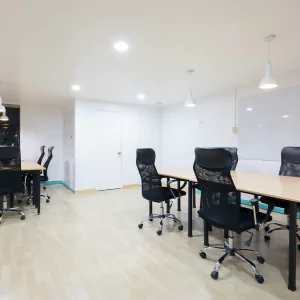
Non-profits and NGOs frequently deal with sensitive information. Therefore, when working in a shared setting, it is critical to address privacy concerns. In particular, choosing a coworking space with private meeting spaces and secure storage can help relieve these worries.
Moreover, keeping the organization’s identity is equally important. Non-profits and NGOs must ensure that their organizational identity and mission are not diluted in the dynamic surroundings of a coworking space. To achieve this, it is critical to create a workspace that reflects their ideals while also connecting with the community.
Autonomy and Collaboration in Balance
- While collaboration is a crucial benefit of coworking spaces for NPOs and NGOs, however, these organizations must strike a delicate balance between collaboration and autonomy. Therefore, clear communication and well-defined boundaries are critical in achieving this equilibrium within the coworking space for NPOs and NGOs..
6.Success Stories: Non-Profits and NGOs in Coworking Spaces
Case Study 1: Enhancing Outreach Through Shared Spaces
One non-profit targeted at environmental conservation established its presence in a coworking space. By doing so, it was able to share thoughts with tech startups in the same space. As a result, they developed a cell app that increased public engagement in neighborhood conservation efforts.
Case Study 2: Accelerating Project Delivery via Collaboration
An NGO working on schooling collaborated with a software improvement company inside their coworking community. Through this partnership, they created an online platform. Consequently, it significantly expedited the delivery of their instructional programs.

Case Study 3: Amplifying Advocacy Efforts via Networking
A non-profit devoted to social justice joined a coworking space that also housed several advocacy groups. Through these shared spaces and experiences, they connected during networking events and informal interactions. As a result, they formed partnerships that ultimately amplified the impact of their advocacy campaigns.
7.Creating Coworking Spaces for Non-Profit Organisations
Space Alignment with Core Values
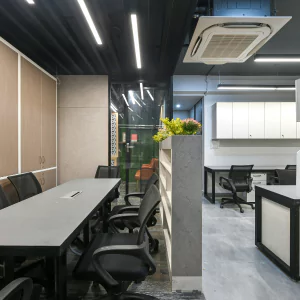
Non-profits and non-governmental organizations (NGOs) can collaborate with coworking carriers to create tailored coworking spaces for NPOs and NGOs that reflect their aims. As a result, this congruence reinforces the organization’s identity and develops team members’ sense of belonging to a coworking space designed specifically to meet their unique needs.
Encouragement of Social and Environmental Initiatives
In addition, coworking spaces can help an organization’s social and environmental goals by using sustainable practices. Moreover, non-profits and non-governmental organizations (NGOs) can push for environmentally sustainable practices within the coworking community.
Getting Used to Non-Profit Work Cycles
- Non-profits frequently have unique work cycles dictated by funding and project timelines. Therefore, in a coworking space for NPOs and NGOs, such as these, flexible lease arrangements can effectively accommodate these fluctuations. As a result, resources are optimized.
8.Building a Collaborative Culture
Creating Inclusive Workspaces
Coworking areas, specifically designed to cater to the unique needs of NPOs and NGOs, can actively promote inclusivity and diversity by fostering an environment where individuals from all backgrounds feel welcome and valued. Moreover, non-profits and NGOs can contribute to this tradition within the coworking space for NPOs and NGOs by sharing their views and experiences.
Encouraging Inter-Organizational Relationships
In addition, non-profits and NGOs can initiate collaborations inside the coworking community by organizing joint events, workshops, or initiatives. As a result, these relationships contribute to a richer working experience for everyone involved.

Nurturing a Sense of Community
- Coworking areas offer more than just physical workspaces; in fact, they create a community. Moreover, non-profits and NGOs can actively participate in community-building efforts by engaging in networking events, skill-sharing sessions, and even social gatherings.
9.Addressing Non-Profit and NGO-Specific Needs
Quiet Zones for Research and Planning :
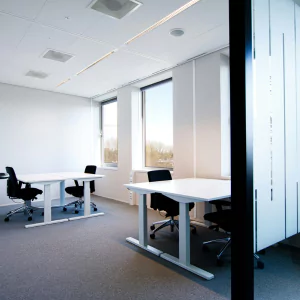
Non-profits regularly require focused time for research and strategic planning. Therefore, coworking spaces can designate quiet zones that cater to these needs, so that deep work can be carried out effectively.
In addition, volunteer and intern engagement plays a vital role in non-profit operations. Non-profits frequently count on volunteers and interns, and as a result, coworking spaces for NPOs and NGOs can allocate areas where these individuals collaborate on projects, thereby ensuring they feel integrated into the organization’s operations.
Advocacy and Awareness Hub :Moreover, designating a specific location within the coworking space for advocacy efforts can help coworking spaces for NPOs and NGOs elevate awareness about their causes. In this dedicated hub, they can display informational materials, host events, and actively engage the community.
10.Measuring Impact and Success Metrics
Quantifying Collaboration and Partnerships
Non-profits and NGOs can measure the success of their coworking endeavors by tracking both the variety and quality of collaborations shaped within the shared space. In fact, this metric clearly displays the organization’s ability to leverage the coworking neighborhood effectively.
Moreover, assessing cost savings and efficiency plays a vital role. For example, comparing the cost of a standard office space to the expenses related to coworking space for NPOs and NGOs can highlight the economic benefits. In addition, non-profits should carefully assess whether coworking also enhances their operational efficiency.

Tracking Social and Environmental Outcomes
- Moreover, coworking spaces that align with non-profit missions can make contributions to social and environmental impact. In addition, organizations can track metrics associated with these outcomes, thereby showcasing their commitment to wonderful change.
11.Future Trends in Non-Profit Coworking
Technological Integration for Virtual Collaboration
As technology advances, coworking spaces for NPOs and NGOs may increasingly provide digital collaboration tools. Consequently, these tools can connect non-profits and NGOs with remote partners, thereby increasing their reach beyond the physical workspace.
Global Coworking Initiatives for International NGOs
Furthermore, international NGOs can take advantage of global coworking initiatives. As a result, they can establish a presence in a variety of regions without the need for a permanent physical office.
AI-Powered Data Analytics for Improved Resource Allocation
In addition, artificial intelligence can analyze coworking data to recommend optimal resource allocation strategies for non-profits and NGOs. Consequently, they can ensure maximum utilization of their shared workspace.
Conclusion
Coworking spaces have emerged as a valuable option for non-profits and NGOs in an ever-changing marketplace. In fact, the concept of coworking space for NPOs and NGOs has gained prominence due to their unique needs and missions. Moreover, their low cost, collaborative environment, and custom-made amenities provide various advantages. As a result, by embracing coworking, these organizations can acquire cross-sector synergy, increase their networks, and be more effective in their missions.
As the world continues to evolve, therefore non-profits and NGOs who embrace coworking as a strategic choice can position themselves at the vanguard of beneficial social and environmental impact. Moreover, this innovative approach not only optimizes resource allocation but also fosters a culture of collaboration that is vital for addressing the complex challenges that non-profits and NGOs tackle on a daily basis.
