Remote Work Spaces: Boost Productivity and Collaboration for Modern Professionals
Maximizing Business Potential: The Strategic Shift Toward Flexible Professional Environments
The professional landscape in India has witnessed a dramatic transformation as the traditional nine-to-five office model gives way to a more fluid and distributed approach. With the rapid expansion of the digital economy, a growing number of startup founders, freelancers, and corporate teams are moving away from centralized headquarters. This shift has created an unprecedented demand for high-quality remote workspaces that provide the perfect balance between professional infrastructure and geographic flexibility. As urban centers become more congested, the ability to work from a location that minimizes commute time while maximizing output has become a top priority for the modern workforce. Businesses across India are now recognizing that providing their teams with access to professional environments is no longer a luxury but a strategic necessity for maintaining a competitive edge in a global market.
Defining the Value of Dedicated Professional Environments

Understanding the core utility of modern workspace solutions is essential for any growing business. While many individuals initially attempted to work from residential settings or local coffee shops, the inherent limitations of these environments quickly became apparent.

Dedicated remote workspaces offer a curated professional experience that eliminates the distractions of a domestic setting and the inconsistencies of public venues. These spaces provide a structured atmosphere that signals a clear boundary between personal life and professional responsibilities.

For a scaling startup or a focused freelancer, the presence of ergonomic furniture, high-speed connectivity, and a quiet zone can significantly enhance the quality of work produced. By choosing a dedicated workspace, professionals ensure they have the tools required to meet tight deadlines and deliver high-value results without the common interruptions found in informal settings.
Enhancing Productivity and Professionalism in Remote Work Spaces
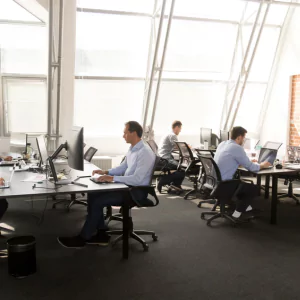
The primary driver behind the popularity of shared office solutions is the tangible boost in daily efficiency. When a professional enters one of the many available remote workspaces, they are stepping into an environment designed specifically for deep work and concentration.

This focus is often missing in a home office where household chores or family obligations can fragment the workday. Furthermore, the professional image of a business is strengthened when meetings are conducted in a polished, corporate setting rather than a casual environment.

Having access to a private office or a well-equipped meeting room allows small business owners to host clients and stakeholders with complete confidence. This professional backdrop helps in building trust and credibility, which are vital components for any enterprise looking to secure new contracts or attract investment in the Indian market.
Overcoming Isolation and Building Professional Networks

One of the most significant challenges faced by distributed teams and independent contractors is the sense of professional isolation. Working in a vacuum can often lead to a lack of inspiration and a decrease in morale over time.

Modern remote workspaces solve this issue by creating a vibrant community of diverse professionals under one roof. These environments act as hubs for networking, where a software developer might find their next project through a conversation with a nearby digital marketer. This organic exchange of ideas and skills fosters a culture of collaboration that is nearly impossible to replicate in a home setting.

By being part of a coworking community, individuals stay connected to the broader industry trends and maintain a high level of motivation through the shared energy of other ambitious professionals.
Financial and Operational Advantages for Growing Teams
From a financial perspective, the traditional model of leasing a commercial office space involves significant risks and heavy upfront costs. Most commercial landlords in India require long-term commitments and substantial security deposits, which can drain the liquid capital of a young startup. In contrast, utilizing remote workspaces allows businesses to pay only for the capacity they actually need. This “space-as-a-service” model transforms fixed real estate costs into variable operational expenses, providing much-needed breathing room for the company budget. Additionally, the operational burden of managing a facility—including electricity, security, and cleaning—is entirely handled by the workspace provider. This allows business leaders to redirect their time and energy toward product development and customer acquisition rather than office management.
Comparing Flexible Workspaces to Traditional Office Leases
The comparison between flexible solutions and traditional leases reveals a clear winner for businesses that value agility. A traditional lease is often rigid, making it difficult for a company to scale down during a market contraction or scale up after a successful funding round. However, the best remote workspaces offer monthly memberships that can be adjusted on short notice to accommodate a changing headcount. Geographic flexibility is another major factor, as businesses can provide their employees with access to multiple locations across a city or country, reducing the stress of long commutes. While a traditional office requires a significant investment in interior design and IT infrastructure, a shared workspace is ready for immediate use, allowing a team to become operational within hours rather than months.
Supporting Diverse Professional Profiles and Industries
The versatility of modern shared offices makes them suitable for a wide array of professionals beyond just the technology sector. Freelance consultants, legal advisors, and financial analysts find that these spaces provide the necessary quiet and privacy for confidential work. Meanwhile, large IT corporations are increasingly using remote workspaces to establish satellite offices for project-based teams who need to be closer to specific clients or talent pools. Small and medium enterprises also benefit from the scalability, as they can start with a few dedicated desks and move into a private suite as their operations expand. This inclusivity ensures that whether you are a solo entrepreneur or a manager of a growing department, there is a workspace configuration that aligns perfectly with your specific operational requirements and budget.
Conclusion: Embracing a Strategic Approach to Modern Work
As we look toward the future of the Indian economy, it is clear that the demand for flexible and professional environments will only continue to rise. Choosing the right remote workspaces is a strategic decision that impacts everything from employee retention to the company’s bottom line. By prioritizing a workspace that offers infrastructure, community, and flexibility, businesses are better equipped to handle the challenges of a fast-paced market. The ability to remain lean while still providing a world-class office experience is a powerful advantage that can define the success of a modern enterprise. Ultimately, moving into one of these professional remote workspaces ensures that your business is positioned in an environment that actively supports growth, innovation, and long-term sustainability for all members of the team.