Startup Coworking Space: Flexible and Collaborative Workspaces for Growing Teams
Driving Innovation: Why Modern Ventures Thrive in Collaborative Environments
India has firmly established itself as the third-largest startup ecosystem in the world, characterized by an explosion of creativity and entrepreneurial spirit across diverse sectors. However, for many early-stage ventures, the journey from an idea to a sustainable business is fraught with logistical hurdles, particularly regarding physical infrastructure. High real estate prices in major cities like Chennai, Bangalore, and Mumbai often force founders to choose between a professional environment and their limited operational budget. This dilemma has led to the widespread adoption of the startup coworking space as the preferred operational model. These hubs offer more than just a desk; they provide a foundation where innovation meets affordability. By moving into these dynamic environments, founders can ensure that their teams are supported by the resources they need to scale without the crippling financial burden of traditional commercial real estate.
Defining the Modern Hub for Innovation and Flexibility

At its core, a startup coworking space is a professional ecosystem specifically designed to meet the fluctuating needs of a young company. Unlike a traditional office, which requires a significant upfront investment in furniture, internet, and utilities, a shared workspace provides an all-inclusive solution.

This model allows entrepreneurs to focus their energy on product development and market fit rather than managing facility logistics. The flexibility offered here is a game-changer, as it allows a team to start with just two people and grow to twenty within the same facility as they secure funding or gain traction.

Furthermore, the environment is engineered to facilitate collaboration, ensuring that the next big idea might come from a casual conversation in the lounge or over a shared cup of coffee in the breakroom.
Strategic Advantages of Choosing a Startup Coworking Space
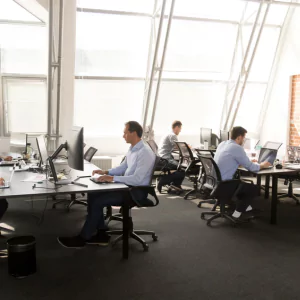
The financial health of a new company is often determined by how effectively it manages its runway. By utilizing a startup coworking space, founders can convert what would traditionally be a massive fixed cost into a manageable variable expense.

This shift in financial strategy provides the agility needed to pivot when market conditions change or when a new opportunity arises. Beyond the monetary savings, these spaces offer a psychological advantage by creating a culture of shared ambition.

When a team is surrounded by other hard-working professionals, it creates a natural sense of urgency and motivation that is often lacking in a home office or a isolated private rental. This atmosphere of productivity is essential for staying on track with aggressive growth targets and meeting the expectations of investors.
Professional Infrastructure and the Power of First Impressions

A significant part of building a brand involves projecting an image of stability and professionalism to the outside world. When a founder uses a startup coworking space, they gain immediate access to high-end boardrooms and sophisticated meeting areas that would otherwise be cost-prohibitive.

This is particularly important for Indian startups looking to attract global clients or secure venture capital. Meeting an investor in a well-managed, modern office sends a message of serious intent and operational maturity.

Having access to high-speed internet, 24/7 security, and professional reception services ensures that the business operates smoothly every day. This level of infrastructure allows even the smallest team to present themselves with the same corporate gravitas as an established industry leader.
Networking and the Importance of a Supportive Community
Isolation is a common challenge for entrepreneurs, yet it is often overlooked in traditional business planning. Being part of a startup coworking space solves this by placing individuals within a dense network of like-minded peers. This community often acts as an informal support system where members share advice on tax filings, recruitment, and digital marketing. The proximity to other businesses often leads to organic B2B opportunities, where a tech startup might hire the graphic designer sitting at the next table to create their logo. This localized economy within the workspace speeds up the growth process and reduces the friction of finding reliable vendors. For a new venture, being just one desk away from a potential partner or mentor can be the difference between stagnation and a major breakthrough.
Comparing Shared Environments to Traditional Office Rentals
When analyzing the long-term impact of workspace choices, the contrast between traditional leases and coworking is striking. A traditional lease in India often requires a twelve-month deposit and a commitment of several years, which is a massive risk for a company with an unproven business model. In contrast, a startup coworking space offers monthly or quarterly agreements that provide the freedom to scale according to the business’s actual performance. Additionally, the time cost of setting up a private office is significant, as it involves hiring contractors, setting up IT networks, and managing maintenance staff. In a coworking environment, all these services are ready from day one. This allows the team to hit the ground running, ensuring that no time is wasted on administrative tasks that do not directly contribute to the company’s core value proposition.
Diverse Ventures That Thrive in Shared Workspaces
While tech companies are the most common residents, a wide variety of industries find value in this flexible model. Digital marketing agencies, legal consultants, and educational platforms are increasingly moving into these environments to benefit from the networking and lower overhead. Even large corporations are beginning to place their innovation labs inside a startup coworking space to stay close to the latest trends and fresh talent. For project-based teams, such as those in film production or event management, the ability to rent a dedicated space for just a few months is invaluable. This diversity creates a rich professional fabric where different skills and perspectives converge, often leading to cross-industry innovations that would not occur in a specialized, siloed office building.
Conclusion: Making a Strategic Move for Long-Term Success
Deciding where to base your operations is one of the most consequential choices an entrepreneur can make in the early stages of their journey. Opting for a startup coworking space is a strategic move that aligns financial prudence with a high-growth mindset. It provides the necessary infrastructure to impress stakeholders while offering the community support needed to navigate the challenges of the startup life. As the Indian business landscape continues to evolve, the demand for spaces that offer both flexibility and professional excellence will only grow. By choosing a workspace that fosters collaboration and provides scalability, founders are setting their businesses on a path toward sustainable success. Ultimately, a startup coworking space is not just an office; it is a catalyst for growth that empowers the next generation of business leaders to achieve their vision.