
What is the best future of remote work in Coworking Spaces?
The future of remote work in Coworking Spaces


The thought of work has undergone a revolutionary shift in the past decade. Gone are the days when specialists were tethered to cubicles from 9 to 5. With the rise of remote work, companies and individuals are embracing flexibility like never before. The future of remote work in coworking spaces is shaping up to be even more dynamic, offering professionals a perfect blend of structure, collaboration, and autonomy. These spaces are evolving to cater to the needs of digital nomads, freelancers, and businesses seeking cost-effective yet productive environments.
As this trend continues, coworking areas have become vital hubs for innovation, collaboration, and productivity. But what does the future hold for far-off work in coworking spaces? Let’s explore the evolving landscape, key trends, and challenges that will shape the next era of work environments. With technology enabling seamless collaboration, hybrid work is the future, offering businesses and professionals a balanced, efficient, and adaptive work environment. Companies embrace this approach to enhance employee satisfaction while optimizing costs.


The Rise of future of remote work
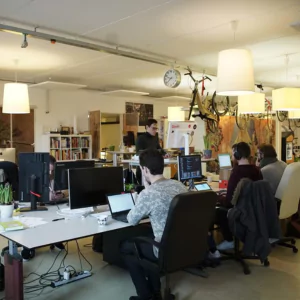

Hybrid work models, which blend remote work with in-office collaboration, are becoming the new norm. Companies now understand the benefits of offering employees the flexibility to work from domestic while also providing possibilities to collaborate in person. future of remote work in coworking spaces are uniquely positioned to accommodate this shift by offering: Hybrid work models are transforming the modern workplace, blending remote and in-office work for flexibility and productivity.
professionals from various industries
Businesses are increasingly integrating coworking spaces into their hybrid work policies, allowing personnel to work from professional environments without maintaining high-priced office leases.Professionals from various industries bring diverse expertise, fostering innovation and collaboration. Whether in technology, finance, healthcare, or creative fields, their unique skills drive progress. By sharing knowledge and networking, they create opportunities for growth, problem-solving, and success.


Enhancing Coworking Spaces


Technology will play a pivotal role in shaping the future of coworking spaces. From AI-driven workspace management to high-speed web and smart office solutions, coworking spaces should continually innovate to meet the demands of digital-first professionals. Some emerging tech tendencies include:Enhancing future of remote work in coworking spaces means improving their design, facilities, and services to create a more productive and collaborative environment.
Upgraded internet, ergonomic furniture, meeting rooms, and networking events attract professionals. By offering flexible plans and modern amenities, coworking spaces become ideal for startups, freelancers, and remote workers seeking efficiency and community. Their collective experience shapes industries and paves the way for future advancements. . Companies embrace this approach to enhance employee satisfaction while optimizing costs.


Niche Coworking Spaces
moreover, in addition, also, furthermore future will see a rise in areas of interest in coworking spaces designed for specific industries and communities. Some of the emerging specialized coworking models include:Niche coworking spaces cater to specific industries, offering tailored amenities and environments for professionals like designers, writers, or tech startups. These spaces foster collaboration, networking, and productivity by providing industry-specific resources. Whether for creatives, remote workers, or entrepreneurs, niche future of remote work in coworking spaces enhance efficiency and innovation in a focused work setting.
The Future of Collaboration
The essence of coworking spaces goes beyond simply offering a desk and Wi-Fi; they foster a sense of community. In the future, coworking spaces will similarly emphasize community-driven initiatives. By prioritizing collaboration and shared experiences, coworking spaces will proceed to be catalysts for professional growth and networking.The future of collaboration is shaped by technology, remote work, and coworking spaces. Digital tools enable seamless teamwork across borders, while flexible workspaces foster creativity and innovation. Businesses embrace hybrid models, balancing in-person and virtual interactions. As collaboration evolves, adaptability and connectivity however, on the other hand, although, yet.
Green and Eco-Friendly Workspaces
therefore, thus, as a result, because of this including workspace design. Future future of remote work in coworking spaces will undertake eco-friendly practices to minimize their carbon footprint. Key sustainable initiatives will include:
Distractions and Noise
moreover, in addition, also, furthermore in any workspace. Unwanted sounds, frequent interruptions, and background chatter make it difficult to focus. A well-designed coworking space minimizes these disruptions with noise-canceling elements, private zones, and structured work areas, ensuring a quiet and efficient environment for professionals and businesses.
Privacy Concerns
however, on the other hand, although, yet collection, storage, and sharing of personal or business data. In future of remote work in coworking spaces sensitive information may be exposed to others. Secure Wi-Fi, private cabins, and confidentiality agreements help mitigate these risks, ensuring a safer work environment for businesses and professionals.
Cost Factors –
moreover, in addition, also, furthermore the total price of a product or service. These may include rent, utilities, salaries, materials, maintenance, and operational expenses. Market demand, competition, and economic conditions also impact costs, making it essential to analyze and optimize expenses for better profitability and efficiency.
Security Issues –
however, on the other hand, although, yet in any business environment. Security concerns include data breaches, unauthorized access, and cyber threats, while cost factors involve budgeting for security infrastructure, maintenance, and compliance. Balancing affordability with robust protection is crucial for sustainable and efficient business operations.
Work-Life Balance –
therefore, thus, as a result, because of this. It ensures productivity at work while allowing time for personal well-being. Prioritizing tasks, setting boundaries, and managing time effectively help maintain balance. A good work-life balance reduces stress, boosts happiness, and enhances overall quality of life.
The Impact on Businesses and Freelancers
For businesses, the rise of future of remote work in coworking spaces presents a competitively priced solution to office management. Companies can scale their workforce besides investing in expensive infrastructure. Additionally, coworking spaces allow corporations to tap into a diverse talent pool and foster innovation via collaboration with professionals from different industries. For freelancers and digital nomads, coworking spaces furnish a structured environment that enhances productivity while presenting moreover, in addition, also, furthermorethat often comes with working from home and create a balanced expert atmosphere.
The Future: Will Coworking Spaces Dominate the Workplace
The trajectory of future of remote work in coworking spaces suggests a bright future. As more businesses embrace however, on the other hand, although, yet enabled, and community-driven workspaces will continue to rise. With developments in technology, sustainability efforts, and niche workspaces, coworking spaces will likely dominate the place of business landscape in the coming decades.
Conclusion
The future of remote work in coworking spaces is stuffed with possibilities. From hybrid work models and therefore, thus, as a result, because of this driven initiatives, coworking spaces are set to redefine how and the place we work. Businesses and freelancers must adapt to this evolving landscape by leveraging coworking areas as dynamic environments that foster productivity, creativity, and collaboration. As we move forward, one thing is certain: future of remote work in coworking spaces will proceed to be a driving force in the future of work, offering unparalleled flexibility, innovation, and neighborhood engagement. The question is not whether coworking areas will thrive but how businesses and professionals will adapt to this new technology of work.
